
Scope of work

Industrial capabilities

The company’s three areas of work cover chemical development, process-plant delivery, and improvements to production lines.

Work can span feasibility studies and laboratory development through engineering, fabrication, installation, commissioning, and industrial optimization.

Designed around your process

Free consultation and proposal

Tell us what you need, have, or want to solve.

Talk with us about developing a product or process, designing and building process equipment or a plant unit, or improving an existing production line. The initial consultation is free, and we can prepare a proposal for your needs at no cost. You do not need to have every detail ready to begin.

Process equipment

From reaction and separation to heat transfer

Equipment scope is defined for each project around process needs, capacity, operating conditions, and technical specifications.

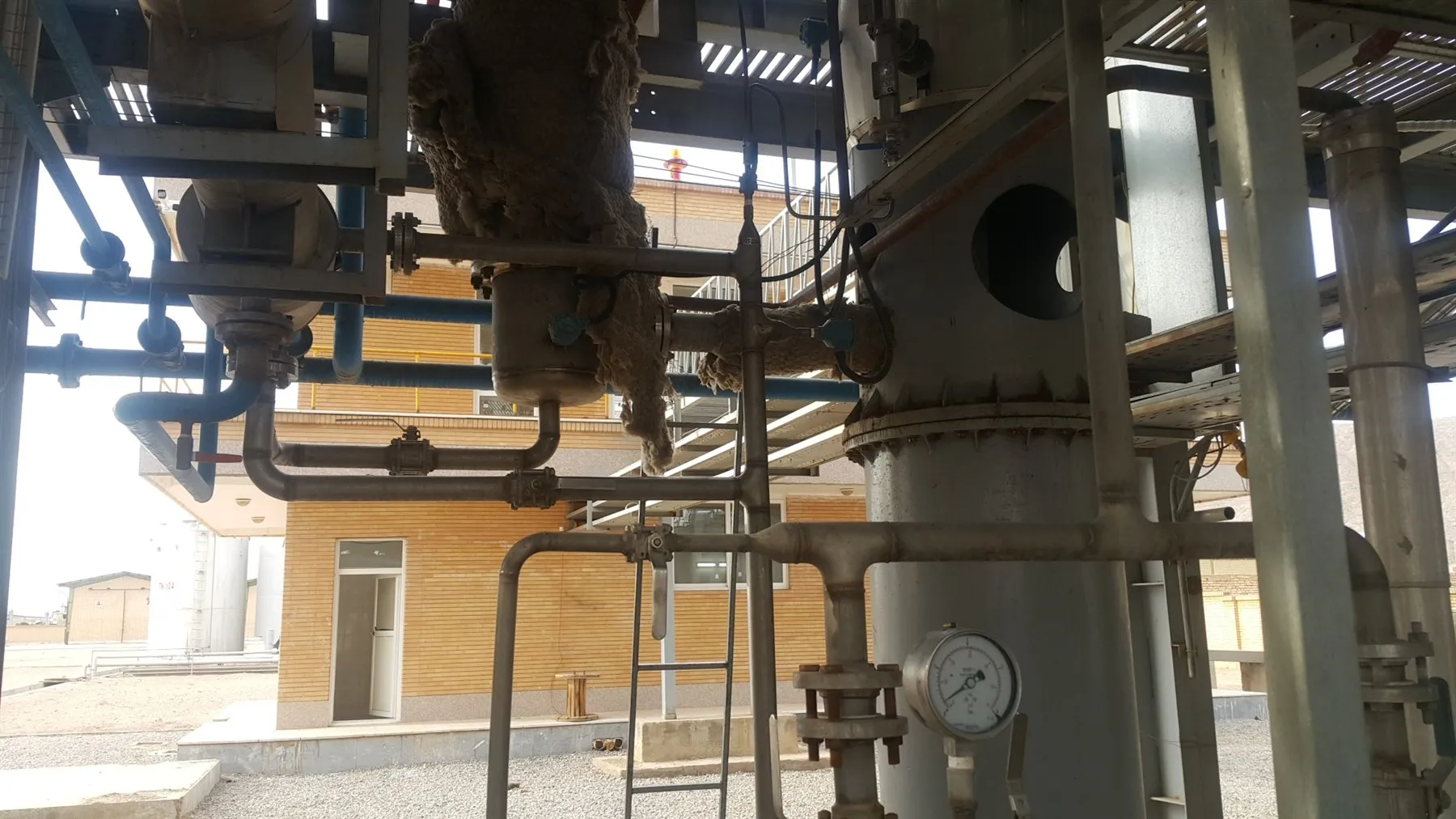
Columns and separation equipment

Columns and separation equipment

Gas–liquid contacting and separation equipment for refining, purification, and process-stream conditioning.

  • Tray and packed distillation columns
  • Absorption, stripping, and gas-scrubbing columns
  • Flash drums and two- or three-phase separators
  • Cyclones and hydrocyclones
  • Process filters and centrifuges
  • Steam ejectors and vacuum systems
Discuss this equipment
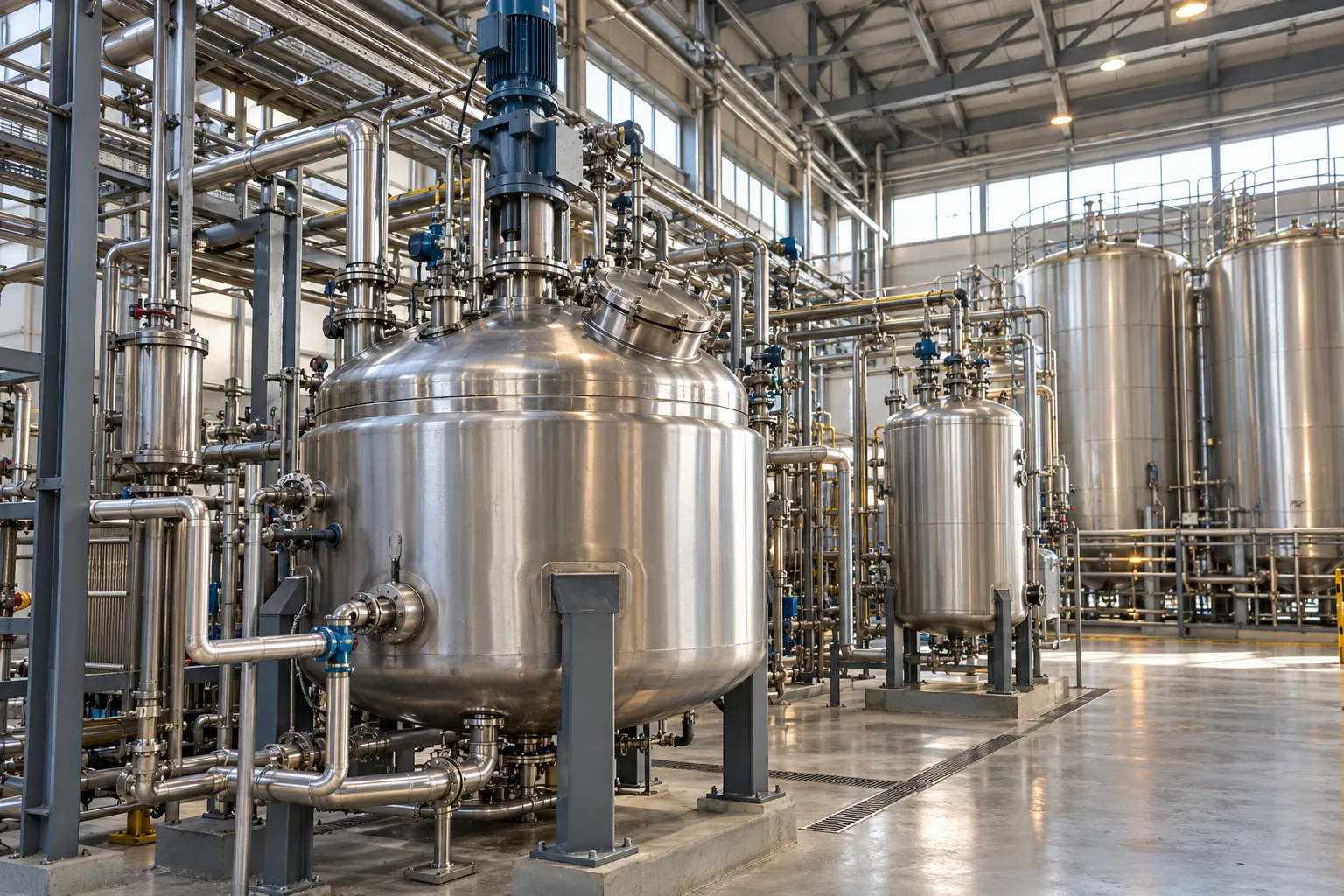
Reactors, tanks, and vessels

Reactors, tanks, and vessels

Reaction and fluid-storage equipment arranged around the process, operating conditions, and fabrication requirements.

  • Continuous and batch stirred-tank reactors
  • Jacketed and half-pipe coil reactors
  • Pressure vessels and process vessels
  • Storage, buffer, and receiver tanks
  • Vertical, horizontal, and double-wall tanks
Discuss this equipment
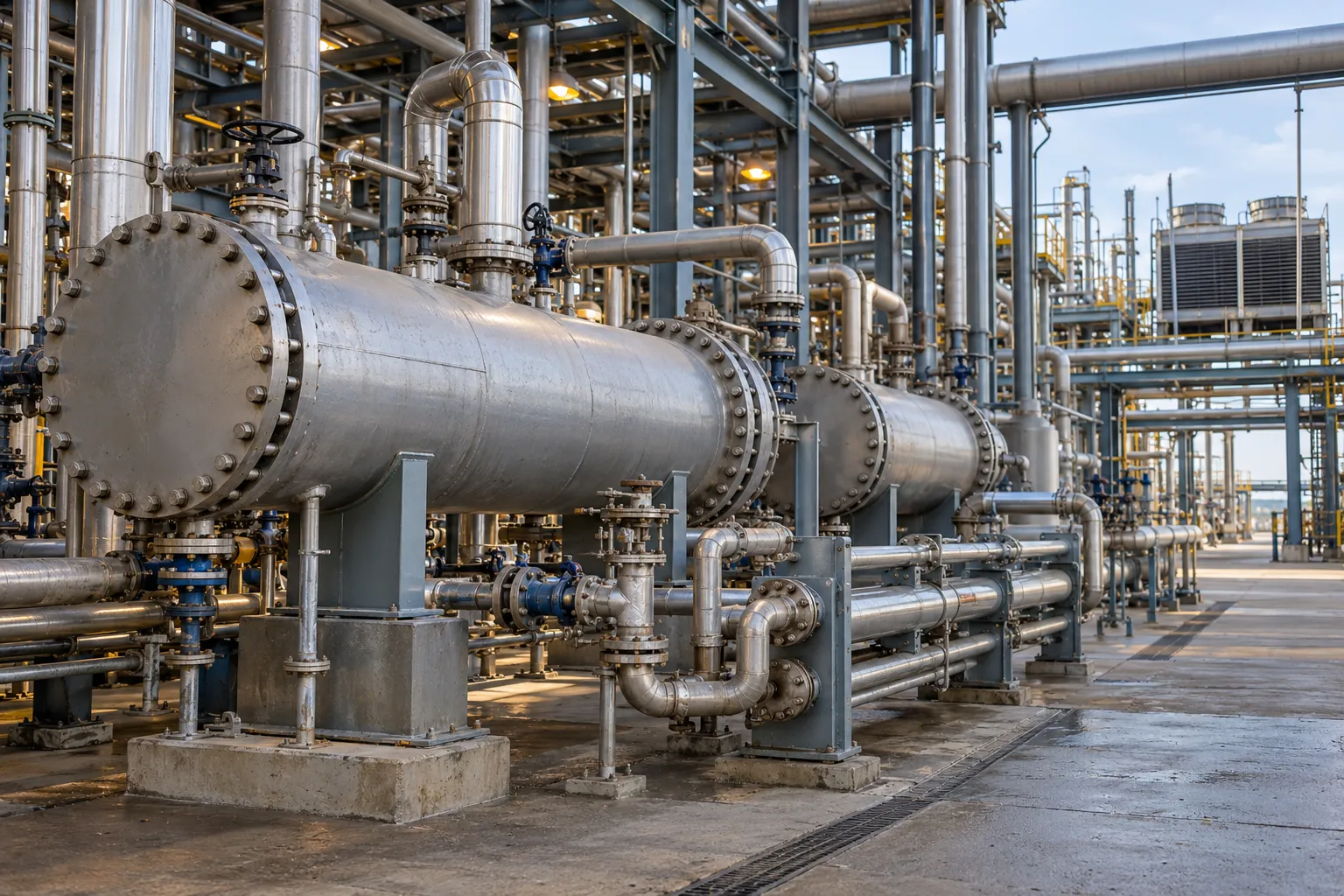
Heat exchangers and piping

Heat exchangers and piping

Heat-transfer equipment and connected process lines for integrating plant streams and process units.

  • Shell-and-tube, double-pipe, and plate heat exchangers
  • Condensers, reboilers, and preheaters
  • Air coolers and cooling exchangers
  • Skids, pumps, and static mixers
  • Process piping, pipe racks, and utility lines
Discuss this equipment
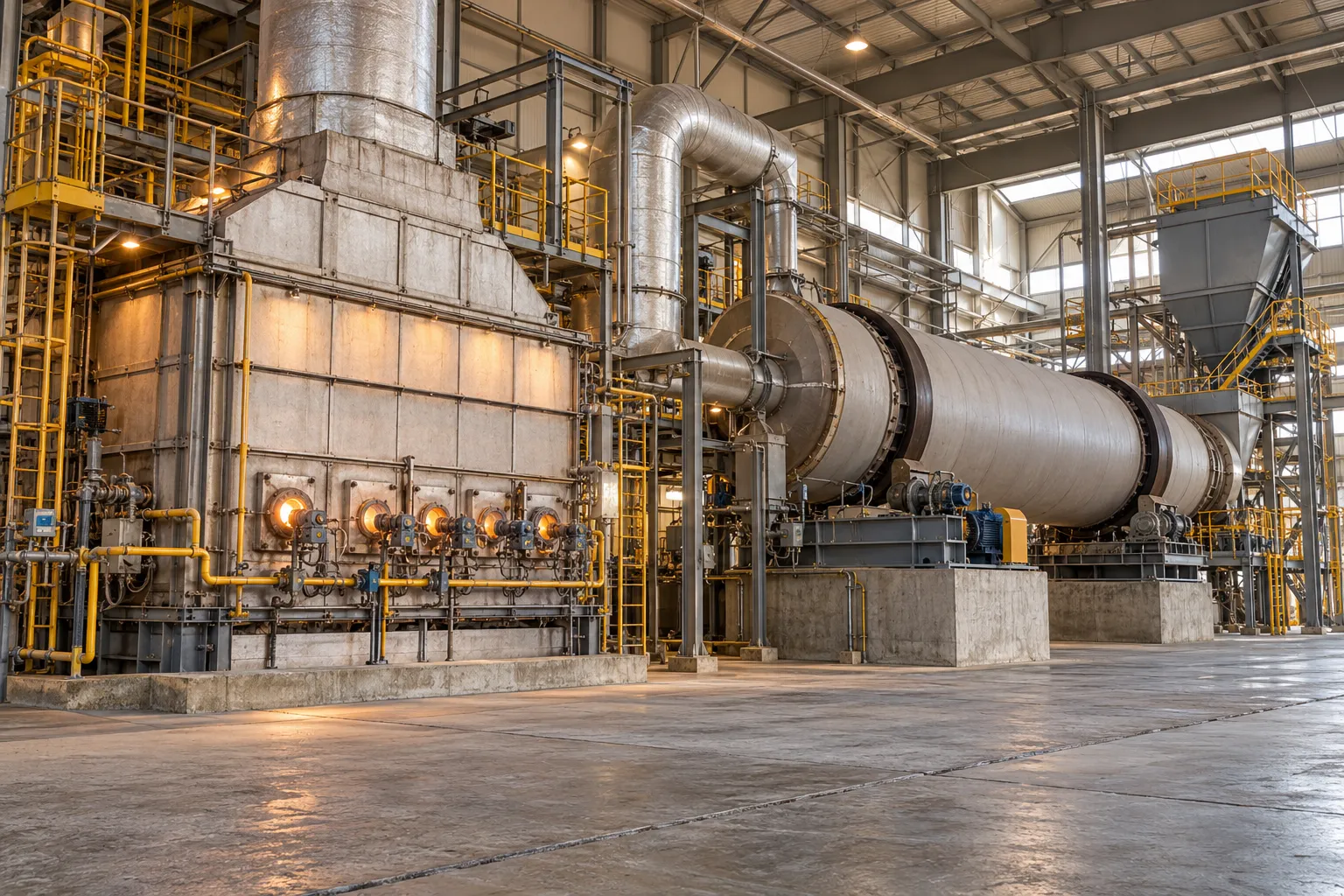
Furnaces and drying systems

Furnaces and drying systems

Thermal and drying equipment for product preparation and process temperature control.

  • Fired process furnaces and heaters
  • Rotary and tray dryers
  • Vacuum and fluid-bed dryers
  • Evaporators and concentration systems
  • Ducts, stacks, and auxiliary thermal equipment
Discuss this equipment

Choose your starting point

A new unit. An individual item. A better running plant.

Start at the stage your project has reached. The scope can cover process development, equipment engineering, fabrication, or improvements to an existing operation.

01

Chemical technology and product development

Developing technical know-how and industrializing value-added chemicals, including process development, pilot design, and preparation for production.

  • Technical and economic feasibility, laboratory synthesis, and process optimization
  • Pilot design, semi-industrial production, and industrial design
  • A focus on high-value products with import dependence and localization potential
  • Equipment selection, operating procedures, and quality control
Discuss this scope
02

Process equipment and plant delivery

Design, engineering, fabrication, and integration of custom equipment and chemical or petrochemical process units, from pilot to full plant.

  • Process and storage vessels, piping, reactors, centrifuges, distillation and absorption columns
  • Dryers, furnaces, two- and three-phase separators, cyclones, and hydrocyclones
  • Double-pipe and shell-and-tube heat exchangers, air coolers, and custom equipment
  • Design, material selection, fabrication, installation, commissioning, and operational handover
Discuss this scope
03

Process and productivity optimization

Improving existing units to reduce losses, relieve bottlenecks, and strengthen production stability, quality, and economics.

  • Technical and economic analysis of production lines and bottleneck identification
  • Process-improvement scenarios with CAPEX/OPEX estimates
  • Capacity and product-quality improvements, with less waste and variation
  • Lower energy, water, steam, electricity, and feedstock use; improved controls and automation
Discuss this scope

Pazand’s competitive advantages

Capabilities that connect around complex projects

Pazand’s advantage comes from combining technical knowledge, interdisciplinary delivery, project-based R&D, and the ability to design and build.

01Evidence

Technical and engineering identity

Pazand approaches industrial challenges through chemistry and process, mechanical design and fabrication, electrical and power, automation, instrumentation, and electronics.

Domains involved

  • Chemistry and process
  • Mechanical design and fabrication
  • Electrical and power
  • Automation
  • Instrumentation
  • Electronics

These disciplines are named in Pazand’s capability description as the foundation of its technical and industrial work.

02Evidence

Interdisciplinary execution

When a project has no ready-made answer, specialist domains connect in one team so the problem can be addressed across process, equipment, and delivery.

Domains involved

  • Process
  • Mechanical design
  • Electrical and control
  • Fabrication and installation

Pazand’s service path runs from production method development through design, fabrication, installation, and commissioning.

03Evidence

Real project-based R&D

R&D is part of the project path: development, testing, scale-up, and the conversion of technical knowledge into an executable solution move together.

Domains involved

  • Technology development
  • Testing
  • Pilot unit
  • Scale-up

Pazand defines work from production feasibility and laboratory testing through pilot-unit design and industrial production.

04Evidence

Design through execution

The collaboration can continue from process engineering and equipment design through fabrication, installation, commissioning, and performance improvement.

Domains involved

  • Engineering
  • Fabrication
  • Installation
  • Commissioning
  • Performance improvement

The company description covers the path from concept and design to handover and production-line improvement.

05Evidence

Organizational evidence

Pazand’s delivery capacity is supported by a defined industrial site and a direct team.

Domains involved

  • 22,500 m² site
  • More than 7 main halls
  • 33 direct employees

Pazand’s factory is described as occupying 22,500 square metres, with more than 7 main halls and 33 direct employees.

From requirement to operation

A clear path through a complex project.

Each stage establishes the information needed for the next. Deliverables and responsibilities are agreed for your project.

01

Define the duty

Clarify the product, feed, capacity, operating conditions, and project constraints.

Process basis & agreed scope
02

Develop the design

Translate the process into equipment selection, sizing, layouts, and technical specifications.

Design package & equipment specifications
03

Build & integrate

Coordinate fabrication requirements and equipment interfaces with the wider plant.

Equipment & integration scope
04

Prepare for operation

Plan installation, commissioning, and the operating support required by the project.

Commissioning & handover scope
Heat exchangers and piping

Think beyond the equipment

Every item belongs to a working process.

A reactor connects to heat transfer. A separation column connects to utilities. A new dryer connects to the rest of your production line. Define these interfaces early.

  • 01Process duty and equipment sizing
  • 02Materials and operating conditions
  • 03Piping and utility interfaces
  • 04Access, maintenance, and plant layout
Start a technical conversation

Before we begin

A few useful answers.

01Can we start with a single piece of equipment?

Yes. Start with the required duty or an existing specification. The discussion can focus on an individual reactor, vessel, exchanger, column, dryer, or associated equipment.

02What if the process is still being developed?

Share the feed, intended product, target capacity, and any available test or operating data. These provide a starting point for defining a process development and engineering scope.

03Can you work with an existing plant?

An operating challenge can be the starting point. Tell us what is happening, what needs to change, and which drawings or operating data are available so we can discuss a suitable scope.

04What should we include in an initial enquiry?

Include the equipment or process, target capacity, temperature and pressure where known, materials or feed details, project location, and current project stage. Preliminary information is enough to begin a conversation.

Free consultation and proposal

Tell us what you need, have, or want to solve.

Talk with us about developing a product or process, designing and building process equipment or a plant unit, or improving an existing production line. The initial consultation is free, and we can prepare a proposal for your needs at no cost. You do not need to have every detail ready to begin.

Next step

Tell us what your process needs. We can start by defining a suitable scope.

Contact details

Review the prepared message, add what you already know, and send it to start. The assistant will ask follow-up questions if needed, then share a request summary for you to confirm.

YOUR NEXT INDUSTRIAL MOVE

Bring us your process. Let’s define what comes next.

A new chemical. A custom equipment package. A production line ready for improvement. Start with your requirements.

Intelligent consultation